Understanding the RAM Crisis and Its Impact on PC Users
3/4/20264 min read
Overview of the RAM Crisis
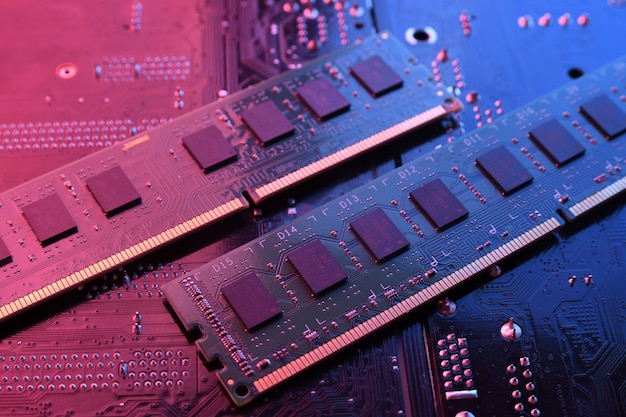
The current RAM shortage has become a major problem for many of us in the tech world. This issue is the result several causes. In recent years, demand for RAM has soared, especially because of the ever increasing amount of data centers and the rise of AI. But production has not kept pace, which has put a strain on global supplies.
Major manufacturers have also faced challenges in recent years, including the COVID-19 pandemic, tariffs, and sanctions. On top of that, Crucial recently announced it will stop selling to consumers and focus on the AI industry. This shift has added more pressure to the market, as RAM is in high demand but manufacturers cannot keep up.
Economic conditions have further worsened this shortage, as raw material prices have surged, increasing manufacturing costs. This is expected to continue over the next few years, ultimately leading to further price increases.
In conclusion, the RAM crisis reflects multiple factors affecting the tech industry. As we consumers try to navigate this bleak period, it is important to understand the reasoning behind this scare.
Effects on PC Users
The ongoing RAM crisis is having profound implications for PC users, notably affecting gamers, content creators, and professionals who depend on high-performance machines. With prices for RAM modules surging and limited availability, consumers are experiencing increased costs, which significantly impacts their purchasing decisions.
For gamers, the increased prices and scarcity of RAM can hinder their ability to upgrade systems. Many modern games require substantial memory for optimal performance, and the escalating costs make it challenging for tech enthusiasts to keep their systems up to date. Given that the gaming community often seek the most powerful and latest technology, the inability to afford necessary RAM upgrades can lead to subpar gaming conditions, resulting in lower frame rates and longer loading times.
Content creators also face similar challenges as they often rely on high RAM capacities for tasks such as video editing, graphic design, and 3D rendering. Software applications used in content creation frequently demand extensive memory resources, and any shortage in RAM can impede workflow efficiency. Therefore, many creators are forced to either delay their projects or downgrade their hardware, affecting their productivity and creative output.
Furthermore, professionals in sectors such as engineering, architecture, and scientific research, who utilize RAM-intensive applications for complex simulations or data analysis, find themselves struggling with the RAM crisis as well. The pressure to acquire additional memory or invest in new systems has never been greater, as these professionals seek to maintain their competitive edge.
In response to rising costs and shortages, many consumers have started exploring alternatives, such as buying used RAM, downgrading their system specifications, or even postponing hardware upgrades. These adaptations reflect a broader trend where PC users are compelled to reassess their computing needs and budget constraints, emphasizing the critical importance of RAM in today's digital landscape.
Industry Response and Solutions
The current RAM shortage has led many parts of the tech industry to take action. Since demand for memory modules is higher than supply, manufacturers are increasing production to help close the gap. Some of the top RAM makers have announced plans to boost their output by expanding their semiconductor factories. These efforts are meant to meet today’s needs and prepare for future growth as technology keeps advancing.
Besides increasing production, the industry is also looking for new ways to ease the RAM shortage. Companies are researching newer memory technologies like DDR5 and others, hoping to make faster and more efficient modules. These improvements could help in the long run, since they often boost performance and still work with current systems.
Tech companies are also working together more often. RAM makers, OEMs, and software developers are teaming up to keep the supply chain steady, even when demand changes. By sharing resources and using proven methods for production and inventory, they hope to manage the situation better.
Retailers are changing how they manage stock and prices to deal with these challenges. Many now limit how much RAM each customer can buy to stop bulk buying and hoarding, which can make shortages worse. They are also updating prices to match the market but still stay competitive. These steps are meant to help customers get RAM at fair prices and keep the market stable.
Future Predictions and Recommendations
The ongoing RAM crisis will shape the tech industry going forward. As of right now, it is speculation, but we cannot rule out companies taking advantage of this shortage as a cash grab. Manufacturers are reporting all-time record profits, while consumers are struggling to find RAM in stock.
For users in the market for RAM, it is important to plan strategically. It is recommended to check your current system performance against your actual usage needs. I, myself, and others find ourselves wanting the most RAM we can get our hands on; however, this is not needed. For most use cases, 16 or 32 gigabytes of RAM is more than enough. This is based on the impression that you need RAM now.
Ultimately, staying informed about market trends and checking prices for deals can help balance costs. You're still going to pay two times or more than what you did last year, but in today's market, it is important to save money when you can.
Ultimately, I don't see this crisis ending for a couple of years. Even if it ends, I believe chip manufacturers will raise its MSRP to increase profits. We have seen it before with Nvidia; sadly, I don't see it being any different. If you absolutely need RAM now and can't afford it, try second-hand or older RAM, such as DDR4, if your system supports it.
Contact
Questions or thoughts? Reach out anytime.
© 2026. All rights reserved.